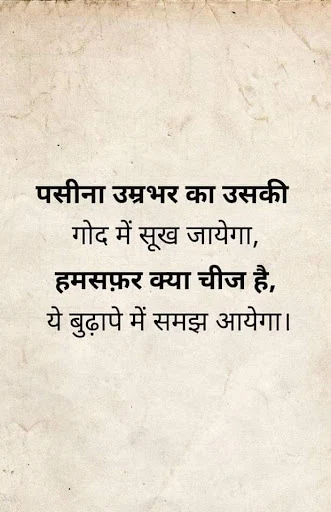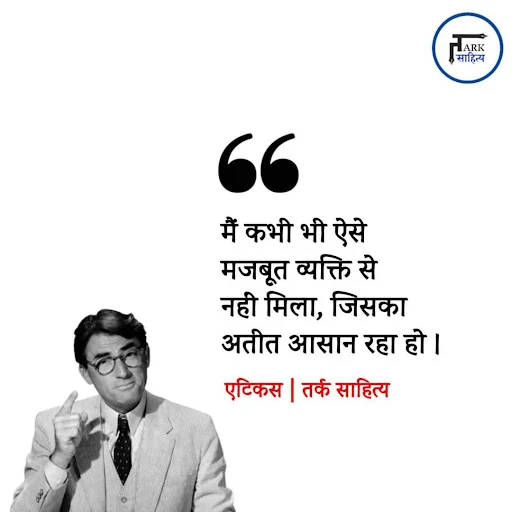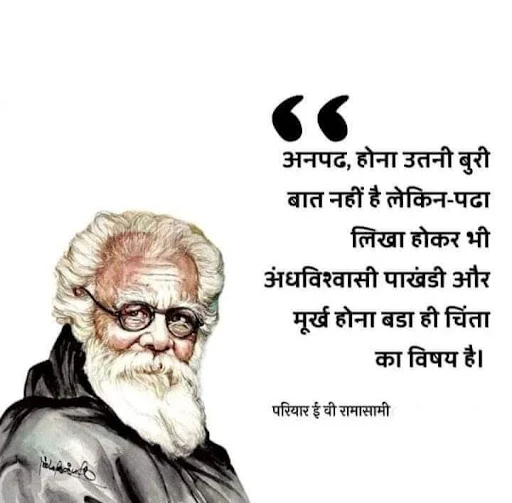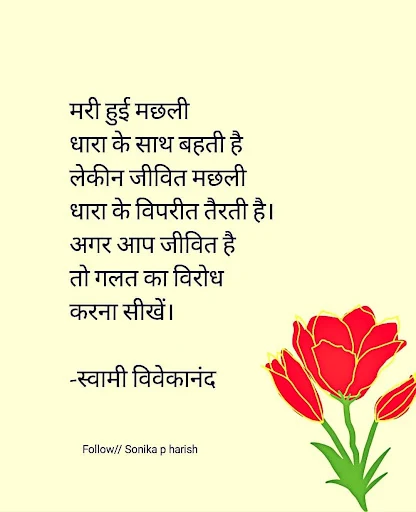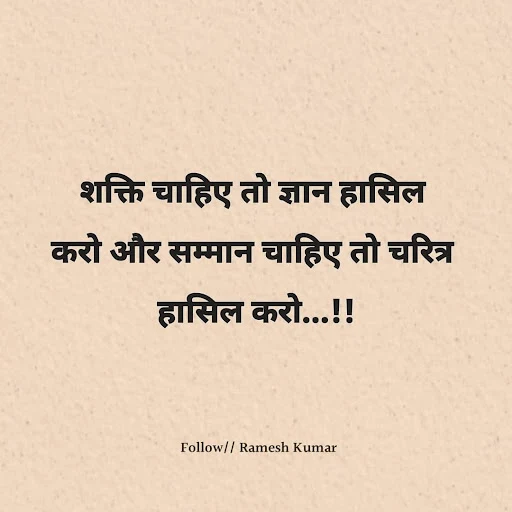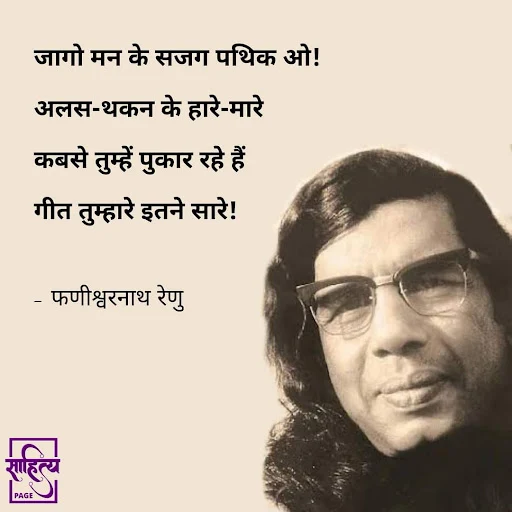
हिंदी उद्धरण: जो आपको प्रेरित करेंगे और दिल को छू जाएंगे

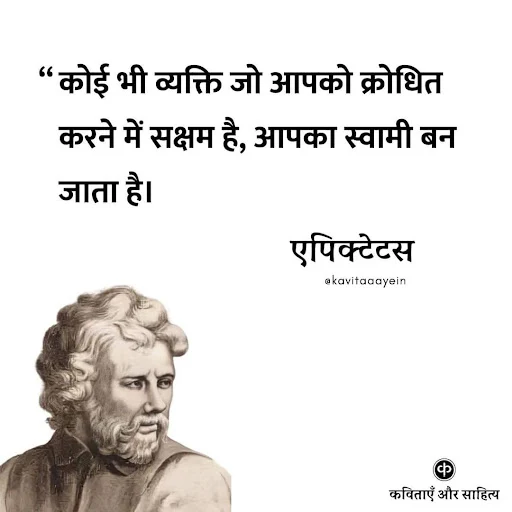
जब हम जीवन में सामान्यतः से ज्यादा दबाव महसूस करते हैं या जब हमें आगे बढ़ने के लिए प्रेरित होने की जरूरत होती है, तो अक्सर हमें मोटिवेशनल उद्धरणों की आवश्यकता होती है। यहां हम आपके साथ कुछ ऐसे हिंदी उद्धरण साझा कर रहे हैं जो आपको प्रेरित करेंगे और आपके दिल को छू जाएंगे:

1. "जो लोग रुक जाते हैं, वे हार जाते हैं।" - अपूर्वा चौधरी
इस उद्धरण में बताया गया है कि सफलता को प्राप्त करने के लिए हमें कभी भी हार नहीं माननी चाहिए।
अपनी विशेषताओं का प्रयोग करो, जीवन के हर कदम मे प्रगति का अनुभव होगा !
2. "जीत वही होता है जो लोग कभी नहीं हारते।" - विजय अमृत्राज
यह उद्धरण हमें बताता है कि सफलता के लिए हमें कभी भी हार नहीं माननी चाहिए, बल्कि हमें हर समय प्रयास करते रहना चाहिए।

3. "कर्म करो, फल की चिंता मत करो।" - भगवद गीता
इस उद्धरण में हमें सिखाया जाता है कि हमें अपना कर्तव्य करते रहना चाहिए और फल की चिंता नहीं करनी चाहिए।
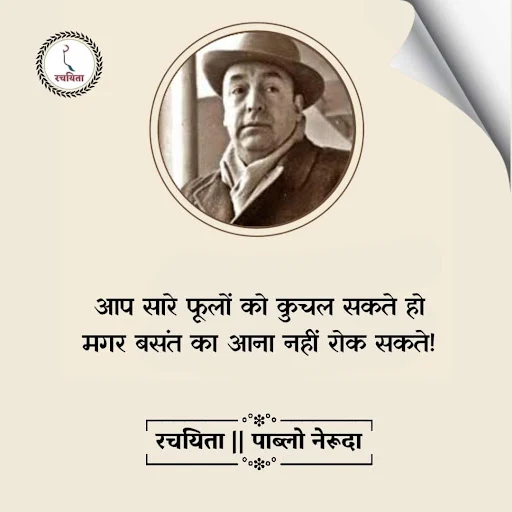
4. "असफलता सफलता का दरवाज़ा है।" - कृष्ण मुरारी मिश्र
यह उद्धरण हमें सिखाता है कि हमें असफलता को एक अवसर के रूप में देखना चाहिए और निरंतर प्रयास करना चाहिए।
ये थे कुछ हिंदी उद्धरण जो आपको प्रेरित करेंगे और आपके दिल को छू जाएंगे। आप इन्हें अपने जीवन में शामिल करके सकारात्मक सोच और क्रियाएं बढ़ा सकते हैं।

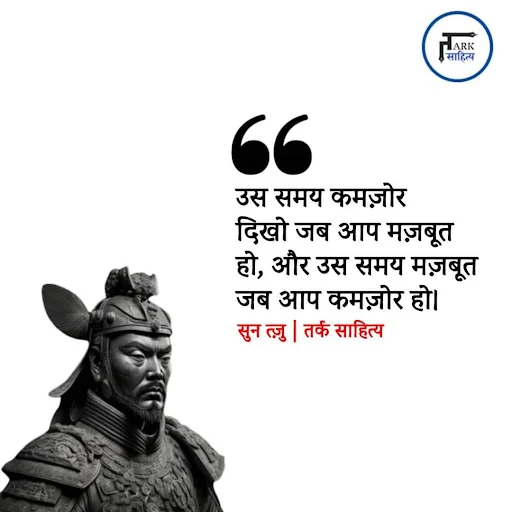
अपडेट के लिए ब्लॉगपोस्ट पर आते रहें। 

1. हिंदी में प्रेरणादायक उद्धरण

2. दिल को छू जाने वाले हिंदी विचार

3. उत्कृष्ट हिंदी अनमोल वचन

4. उद्धरणों से जीवन में प्रेरित कैसे हों

5. हाई CPC हिंदी ब्लॉग टॉपिक्स

6. लोकप्रिय हिंदी विचार

7. उद्धरण ब्लॉगिंग: कम वॉल्यूम लेकिन उच्च CPC की कुंजीयों का चयन

8. उद्धरणों का उच्च भुगतान वाला विषय

9. लोकप्रिय उद्धरणों के साथ हिंदी ब्लॉगिंग

10. हिंदी उद्धरण के लिए LSI की कुंजीयों का उपयोग

अक्सर पूछे जाने वाले प्रश्न 

प्रश्न: "हिंदी उद्धरण का महत्व क्या है?"
उत्तर: हिंदी उद्धरण हमें जीवन में प्रेरित करते हैं और हमारे दिल को छू जाते हैं। ये हमें साहस, संघर्ष और सफलता की ओर प्रेरित करते हैं।
प्रश्न: "हिंदी उद्धरण को कैसे सही समय पर उपयोग किया जा सकता है?"
उत्तर: हिंदी उद्धरण को सही समय पर उपयोग करके हम अपने जीवन में नई प्रेरणा और उत्साह पैदा कर सकते हैं। जब हमे जरुरत होती है, तो हमें याद दिलाते हैं कि कुछ नामी लोगों ने कितने मुश्किल हालातों का सामना करके अपने लक्ष्यों को हासिल किया।
प्रश्न: "हिंदी उद्धरण का सबसे महत्वपूर्ण लाभ क्या है?"
उत्तर: हिंदी उद्धरण हमें जीवन की अनगिनत सीखें देते हैं। इन्हें सुनकर हम अपने दर्दों, चुनौतियों और संघर्षों के सामना करने की क्षमता प्राप्त करते हैं और नए ऊँचाइयों की ओर बढ़ते हैं।

प्रश्न: "क्या हिंदी उद्धरण हमारे मानसिक स्वास्थ्य को सुधार सकते हैं?"
उत्तर: हां, हिंदी उद्धरण हमारे मानसिक स्वास्थ्य को सुधार सकते हैं। ये हमें प्रेरित करते हैं, हमें संघर्ष के साथ सामना करने की क्षमता प्रदान करते हैं और हमारे आत्मविश्वास को बढ़ाते हैं।

प्रश्न: "कौन से हिंदी उद्धरण विचारों को हमें नए दिशानिर्देश और प्रेरणा प्रदान करते हैं?"
उत्तर: कुछ हिंदी उद्धरण जैसे कि "जो लोग रुक जाते हैं, वे हार जाते हैं", "कर्म करो, फल की चिंता मत करो", और "जीत वही होता है जो लोग कभी नहीं हारते" हमें नए दिशानिर्देश और प्रेरणा प्रदान करते हैं। 

Crossing Boundaries of Beauty: Exploring the World's Most Stunning Bridges

 Crossing Boundaries of Beauty: Exploring the World's Most Stunning Bridges


Introduction:
Bridges are not just structures that connect two points; they are feats of engineering and design that inspire awe and admiration. From majestic spans that soar over vast landscapes to intricate architectural marvels, the world is adorned with breathtaking bridges that captivate the imagination. In this blog, we'll embark on a journey to discover some of the most beautiful bridges ever built, each with its own unique charm and significance.

Golden Gate Bridge, San Francisco, USA:
Standing as an iconic symbol of San Francisco and a marvel of engineering, the Golden Gate Bridge is renowned for its stunning Art Deco design and vibrant orange hue. Spanning the strait of the same name, this suspension bridge offers panoramic views of the city skyline and the picturesque San Francisco Bay. Its graceful curves and towering presence make it a timeless masterpiece that continues to enchant millions of visitors each year.


Tower Bridge, London, UK:
With its distinctive twin towers and intricate Victorian Gothic design, Tower Bridge is a quintessential symbol of London's rich architectural heritage. Spanning the River Thames, this iconic bascule and suspension bridge dazzles with its ornate detailing, including wrought-iron latticework and neo-Gothic turrets. Illuminated against the backdrop of the city's skyline, Tower Bridge is a captivating sight that embodies the elegance and grandeur of the British capital.


Pont du Gard, Vers-Pont-du-Gard, France:
A testament to the ingenuity of ancient Roman engineering, the Pont du Gard is a UNESCO World Heritage site that spans the Gardon River in southern France. Built over 2,000 years ago, this towering aqueduct bridge is a marvel of precision stone masonry, with three tiers of arches rising majestically above the tranquil countryside. Its graceful silhouette against the backdrop of lush greenery evokes a sense of timeless beauty and cultural significance.


Sydney Harbour Bridge, Sydney, Australia:
Dominating the skyline of Sydney and spanning the sparkling waters of Sydney Harbour, the Sydney Harbour Bridge is a monumental steel arch bridge that commands attention with its sheer size and striking design. Affectionately known as the "Coathanger" due to its distinctive shape, this iconic landmark offers breathtaking views of the harbor and the Sydney Opera House. Whether admired from afar or traversed on foot, the Sydney Harbour Bridge is a symbol of Australia's spirit of innovation and adventure.


Rialto Bridge, Venice, Italy:
Elegant and enchanting, the Rialto Bridge is a masterpiece of Venetian Renaissance architecture that spans the Grand Canal in Venice. Dating back to the 16th century, this arched stone bridge is adorned with graceful balustrades and ornate sculptures, creating a romantic tableau against the backdrop of gondolas and historic palaces. As one of the most photographed landmarks in Venice, the Rialto Bridge embodies the city's timeless allure and artistic legacy.


Conclusion:
From ancient aqueducts to modern marvels of engineering, the world's most beautiful bridges stand as testaments to human creativity, ingenuity, and perseverance. Whether spanning rivers, straits, or valleys, these architectural wonders captivate the imagination and inspire wonder with their graceful curves, intricate detailing, and breathtaking vistas. As symbols of connection and unity, bridges transcend mere physical structures, serving as timeless icons of beauty and inspiration for generations to come.

Mastering the Art of Negotiation: A Comprehensive Guide to the Basics

 Mastering the Art of Negotiation: A Comprehensive Guide to the Basics


# *Table of Contents*


### *Preface*

### *Acknowledgements*

### *Introduction: Why Negotiation Matters in Everyday Life*

-## *Part I: Understanding the Fundamentals*


### *Chapter 1: What Is Negotiation?*

* Definition and Scope
* Myths and Misconceptions
* Negotiation vs. Bargaining

### *Chapter 2: The Core Principles of Successful Negotiation*

* Mutual Benefit
* Value Creation
* Win–Win vs. Win–Lose Outcomes

### *Chapter 3: Essential Qualities of a Good Negotiator*

* Communication
* Empathy
* Patience
* Emotional Intelligence

## *Part II: Preparing for Negotiation*


### *Chapter 4: Setting Clear Objectives*

* Defining Your Interests and Goals
* Understanding Non-Negociables

### *Chapter 5: Research and Information Gathering*

* Assessing the Other Party
* Understanding Context and Constraints

### *Chapter 6: Building Your Negotiation Strategy*

* BATNA (Best Alternative to a Negotiated Agreement)
* Reservation Price
* ZOPA (Zone of Possible Agreement)

## *Part III: The Negotiation Process*


### *Chapter 7: Opening the Discussion*

* First Impressions
* Establishing Trust
* Setting the Agenda

### *Chapter 8: Effective Communication Techniques*

* Active Listening
* Asking the Right Questions
* Reading Body Language

### *Chapter 9: Persuasion Skills*

* Framing and Reframing
* Anchoring Techniques
* Using Logic and Emotion

### *Chapter 10: Handling Objections and Difficult Situations*

* Dealing with Conflict
* Managing Tension
* Overcoming Resistance

### *Chapter 11: Creating Value and Exploring Options*

* Brainstorming
* Finding Common Ground
* Package Deals

## *Part IV: Reaching and Implementing Agreements*


### *Chapter 12: Closing the Deal*

* Recognizing the Right Moment
* Clarifying Terms
* Avoiding Last-Minute Pitfalls

### *Chapter 13: Drafting Agreements and Documentation*

* Written vs. Verbal Agreements
* Maintaining Precision and Clarity

### *Chapter 14: Follow-Up and Maintaining Relationships*

* Ensuring Compliance
* Building Long-Term Partnerships

## *Part V: Special Negotiation Scenarios*


### *Chapter 15: Negotiation in Business Settings*

* Salary Negotiations
* Vendor and Client Negotiations

### *Chapter 16: Cross-Cultural Negotiation*

* Cultural Sensitivity
* Overcoming Cultural Barriers

### *Chapter 17: Negotiation in Conflict Resolution*

* Mediating Disputes
* Restorative Approaches

## *Part VI: Improving Your Negotiation Skills*

### *Chapter 18: Common Negotiation Mistakes and How to Avoid Them*

### *Chapter 19: Practical Exercises and Real-Life Scenarios*

### *Chapter 20: The Future of Negotiation in the Age of Technology*

### *Conclusion: Becoming a Confident and Strategic Negotiator*


### *Glossary*

### *References*

### Question Bank 

Understanding the Dichotomy: Academic Essays vs. News Articles

 Understanding the Dichotomy: Academic Essays vs. News Articles


In the vast landscape of writing, two distinct genres stand out for their unique styles and purposes: academic essays and news articles. While both serve to inform and educate, they diverge significantly in their approaches, structures, and tones. Understanding the differences between these two forms of writing is crucial for anyone aiming to craft content that resonates with its intended audience. Let's delve into the nuances that set academic essays apart from news articles.

### Academic Essays: Delving Deep into Discourse

Academic essays are scholarly works designed to explore, analyze, and contribute to existing knowledge within a particular field or discipline. These writings are characterized by their formal tone, rigorous research, and structured organization. Here's how they differ from news articles:

1. *Tone and Language*: Academic essays employ a formal tone and specialized vocabulary tailored to the subject matter. They prioritize clarity and precision, often incorporating technical terms and jargon specific to the field.

2. *Depth of Analysis*: Academic essays delve deep into a topic, offering thorough analysis and interpretation of data, theories, or arguments. They aim to contribute new insights or perspectives to the academic discourse, requiring extensive research and critical thinking.

3. *Structure*: Academic essays typically follow a structured format, including an introduction, thesis statement, body paragraphs with supporting evidence, and a conclusion. They adhere to specific citation styles (such as APA, MLA, or Chicago) to acknowledge sources accurately.

4. *Audience*: Academic essays target an audience of scholars, researchers, or students within a particular academic discipline. Writers assume a level of prior knowledge and engage in intellectual dialogue with peers in the field.

### News Articles: Capturing Current Events with Clarity

News articles serve as a primary source of information for the general public, covering current events, trends, or developments in society. They aim to inform, engage, and entertain readers while adhering to journalistic principles of accuracy and objectivity. Here's how they differ from academic essays:

1. *Tone and Accessibility*: News articles adopt a more accessible tone, employing straightforward language that appeals to a broad audience. They prioritize clarity and readability, avoiding overly complex or technical terms.

2. *Timeliness*: News articles focus on timely topics or events, providing up-to-date information and analysis on breaking news or relevant issues. They aim to capture the interest of readers and address their immediate concerns.

3. *Structure*: News articles typically follow a standardized structure known as the inverted pyramid, with the most essential information presented at the beginning followed by additional details and background information. They often include quotes from sources and multimedia elements to enhance engagement.

4. *Audience*: News articles target a diverse audience of readers, including the general public, policymakers, and stakeholders. Writers aim to inform and persuade, presenting information in a way that is accessible and engaging to a wide range of readers.

### Bridging the Gap: Finding Common Ground

While academic essays and news articles differ in style and purpose, they share a common goal of communicating information effectively to their respective audiences. Writers can benefit from understanding the conventions and expectations of each genre, adapting their writing style accordingly to achieve maximum impact.

In conclusion, the difference in writing style between an academic essay and a news article lies in their tone, depth of analysis, structure, and target audience. By recognizing these distinctions, writers can navigate the unique demands of each genre and produce content that informs, educates, and engages readers effectively.

How Effective Content Writing Works: Essential Elements for Google SERP Dominance

 Unveiling the Essential Elements of Effective Content Writing

*How Effective Content Writing Works: Essential Elements for Google SERP Dominance*


## *Foreword*


* Content in the Age of Algorithms and Audiences

## *Preface*


* Why Content Writing Determines Digital Success
* Purpose and Scope of This Book
* Who Should Read This Book
* How to Use This Guide for Maximum SERP Impact

## *Part I: Foundations of Effective Content Writing*


### *Chapter 1: Understanding Content Writing in the Digital Era*

* Evolution of Content Writing
* Content vs Copywriting: Key Differences
* Role of Content in Digital Marketing Ecosystems

### *Chapter 2: How Google Search Works*

* Crawling, Indexing, and Ranking Explained
* Search Intent and User Behavior
* Understanding Google’s Quality Guidelines

### *Chapter 3: SERP Anatomy and Ranking Signals*

* Organic Results, Featured Snippets, and Rich Results
* E-E-A-T and Helpful Content Framework
* Core Web Vitals and Content Experience

## *Part II: Strategic Elements of High-Ranking Content*


### *Chapter 4: Keyword Research for SERP Dominance*

* Primary, Secondary, and LSI Keywords
* Long-Tail Keywords and Voice Search
* GEO-Targeted and Localized Keywords

### *Chapter 5: Search Intent Mapping*

* Informational, Navigational, Commercial, and Transactional Intent
* Aligning Content Structure with Intent
* AEO-Driven Content for Direct Answers

### *Chapter 6: Content Planning and Topic Authority*

* Building Topical Clusters
* Pillar Pages and Internal Linking
* Content Calendars for Consistent Growth

## *Part III: Writing Content That Ranks and Converts*


### *Chapter 7: Crafting AI-Voice and Human-Friendly Content*

* Natural Language Processing and Readability
* Conversational Writing for Voice Assistants
* Avoiding Over-Optimization and Keyword Stuffing

### *Chapter 8: Powerful Headlines, Titles, and Meta Descriptions*

* SEO-Friendly Title Writing Techniques
* Click-Through Rate Optimization
* Emotional Triggers and Clarity

### *Chapter 9: Structuring Content for Maximum Engagement*

* SEO-Optimized Headings (H1–H6)
* Paragraph Length, Bullet Points, and White Space
* Scannability and User Experience

## *Part IV: Advanced SEO, AEO, and GEO Techniques*


### *Chapter 10: On-Page SEO Essentials*

* Content Length and Semantic Depth
* Image Optimization and Alt Text
* URL Structure and Internal Linking

### *Chapter 11: Answer Engine Optimization (AEO)*

* Featured Snippets and Zero-Click Searches
* FAQ Schema and Structured Data
* Writing for AI Search Assistants

### *Chapter 12: Geo-Targeted Content Strategies*

* Local SEO Content Writing
* Regional Language and Cultural Context
* Google Business Profile Content Optimization

## *Part V: Content Quality, Trust, and Authority*


### *Chapter 13: E-E-A-T in Content Writing*

* Demonstrating Experience and Expertise
* Building Author Credibility
* Trust Signals and Content Authenticity

### *Chapter 14: Data-Driven and Research-Backed Content*

* Using Statistics, Case Studies, and Examples
* Citing Reliable Sources
* Fact-Checking and Content Accuracy

### *Chapter 15: Storytelling for Engagement and Retention*

* Narrative Techniques in Content Writing
* Emotional Connection and Brand Voice
* User-Focused Content Design

## *Part VI: Optimization, Analytics, and Continuous Growth*


### *Chapter 16: Content Optimization and Refresh Strategy*

* Updating Old Content for Higher Rankings
* Content Pruning and Consolidation
* Evergreen Content Creation

### *Chapter 17: Measuring Content Performance*

* Key SEO Metrics and KPIs
* Google Search Console and Analytics Insights
* User Engagement and Conversion Tracking

### *Chapter 18: Common Content Writing Mistakes*

* Thin Content and Duplicate Content
* Over-AI Dependence
* Ignoring User Intent and Experience

## *Part VII: Future of Content Writing and SERP Evolution*


### *Chapter 19: AI, Generative Search, and Content Writing*

* Role of AI in Content Creation
* Human Creativity vs Machine Assistance
* Ethical and Responsible AI Writing

### *Chapter 20: Future-Ready Content Strategies*

* Adapting to Algorithm Updates
* Voice, Visual, and Multimodal Search
* Building Sustainable SERP Authority

## *Appendices*

### *Appendix A: Content Writing Checklists*

* SEO, AEO, and GEO Writing Checklist

### *Appendix B: Tools for Effective Content Writing*

* Keyword Research and SEO Tools
* AI Writing and Optimization Platforms

### *Appendix C: Sample High-Ranking Content Frameworks*

* Blog Posts, Landing Pages, and FAQs

## *Glossary*


* Essential SEO, AEO, GEO, and Content Writing Terms

## *References and Further Reading*

## *About the Author*

"भाव-कलश: ललित मोहन शुक्ला की काव्य यात्रा" ( Hindi)

क्रम संख्या अध्याय / अनुभाग विवरण 1. प्राक्कथन (Foreword) पुस्तक की भूमिका और लेखन का उद्देश्य 2. व्यक्तित्व का उद्भ...